 Tech · EU Weekly
The decision to grant approval for drilling at the Jackdaw gas field in the North Sea and the further delay in a decision about the Rosebank oil field, also in the North Sea, are case studies in the slow-motion awkwardness the UK has collectively had, over years, about energy. At the heart of that awkwardness, these questions: where should our energy come from, and with what costs and consequences, for the customer and for the environment? Since becoming prime minister, Andy Burnham has talked about a desire to be "pragmatic" about the North Sea as he puts it, which is why this decision about Jackdaw isn't a surprise.
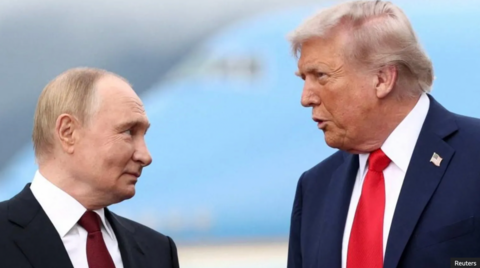
In fact it felt near inevitable after President Trump blurted out – after his first phone call with Burnham in the summer – that the prime minister had told him he would "open up the North Sea". Burnham acknowledged the two leaders had discussed the issue, arguing: "There is a resource there. When people are struggling - you can't ignore that." What we now know is the government is approving drilling of the Jackdaw gas field in the North Sea, about 150 miles east of Aberdeen.
A decision on Rosebank, an oil field about 80 miles north east of Shetland, is expected to take a bit longer. The timeline of back and forth about both projects is worth revisiting. Jackdaw was first approved four years ago, Rosebank three years ago.
But after a legal challenge by environmental campaigners, it was ruled that consent had been granted unlawfully and there needed to be a more detailed assessment of the environmental impact. And then, of course – there is politics, international and domestic, between parties and within parties. Debate about energy security and spiralling prices, given the wars in Ukraine and the Middle East, the environmental impact, carbon emissions and the message new drilling sends to the wider world.
But others point to the extra carbon emissions when energy is imported, the tax revenues generated from domestic energy and the social and economic consequences of the British oil and gas sector deindustrialising too quickly and, in particular, the impact on cities such as Aberdeen. Then, for the government, there are the promises the Labour Party made when it was seeking your support at the general election in 2024. Page 52 of Labour's manifesto reads like a rhetorical twister – a paragraph of promises seeking to stretch in multiple directions at the same time, trying to keep a breadth of people happy simultaneously, or perhaps not annoy too many people too much.
"Labour will not revoke existing licences and we will partner with business and workers to manage our existing fields for the entirety of their lifespan. Crucially, oil and gas production in the North Sea will be with us for decades to come, and the North Sea will be managed in a way that does not jeopardise jobs," it reads. "And our offshore workers will lead the world in the industries of the future.
We will not issue new licences to explore new fields because they will not take a penny off bills, cannot make us energy secure, and will only accelerate the worsening climate crisis," it adds. Crucially, the Jackdaw and Rosebank licences had already been issued, leaving political wriggle room on these two outstanding and high profile decisions the Labour government inherited on taking office. But the multiple trade-offs, of course, remain very real, including for some of the key individuals involved.
Foreign Secretary Ed Miliband, who used to be the energy secretary, has long been vocal about what he sees as the need to move away from fossil fuels. His successor, Miatta Fahnbulleh, who has announced this decision, previously wrote , external that "to have a shot at staying within 1.5C global warming, we can't have any new oil or gas fields," adding "it's irresponsible and short sighted to be funding new fossil fuels when we need to get to Net Zero fast." Fahnbulleh has today told BBC Radio Scotland gas from Jackdaw will be "in our homes and businesses this month" but acknowledged that it "won't lower our energy bills this winter". Instead, she is grounding her argument for approving this in energy security and saying the tax revenue generated will go into an "Energy Wealth Fund" to pay for "low carbon and renewable projects".
Rosebank, she added, was a "different proposition" as its oil would be exported, but she will "look at it". What we can expect in the coming hours and days - as it has started already - is a resumption of all the arguments these projects have already provoked, with some saying approval should have happened ages ago, alongside plenty more. And others arguing the announcement is utterly irresponsible.
Source: BBC