 Tech · EU Weekly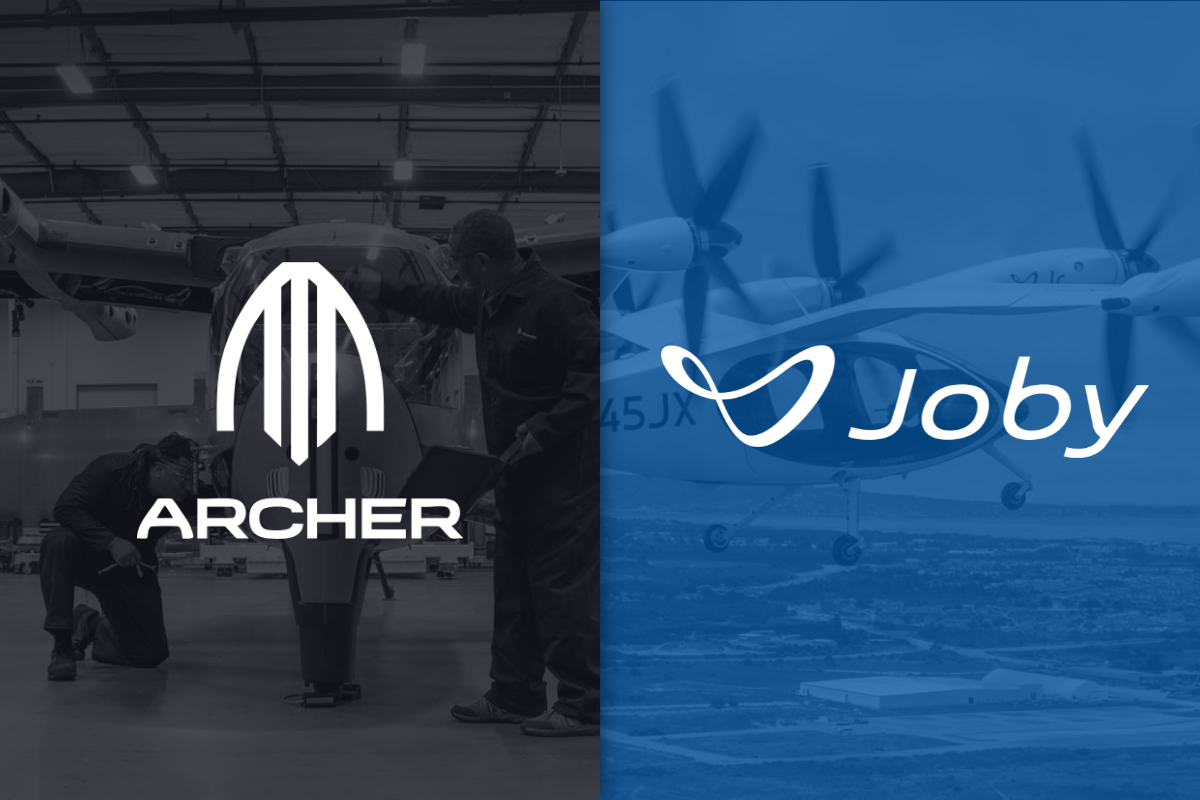
Flying taxis, also known as electric vertical take-off and landing (eVTOL) aircraft, are emerging as a transformative urban transportation solution. Archer Aviation (ACHR) and Joby Aviation (JOBY) are leading this revolution, with both companies expanding into defense and aerospace sectors to diversify their portfolios. JPMorgan Chase estimates the eVTOL market could reach $1 trillion by 2040, making these stocks attractive for investors.
Both companies are actively testing their aircraft through the U.S. Department of Transportation’s eVTOL Integration Pilot Program (eIPP), which aims to integrate eVTOLs into national airspace. In June 2025, the White House unveiled Executive Order 14307, supporting this initiative. Joby Aviation made its New York City debut in April 2026, flying from Manhattan to JFK Airport, and has been approved to operate across 11 states, including Texas, California, and Florida. Archer completed a piloted round trip between Salinas and Monterey, California, in July 2026, and launched a "No Roads" flight tour in September 2026.
Archer and Joby are competing to achieve FAA Type Certification, which is critical for mass production and commercial operations. Joby has a slight lead in this race. Both companies are investing heavily in defense contracts: Archer acquired Boeing’s Wisk Aero, SkyGrid, and Insitu, while Joby secured the U.S. Air Force’s Agility Prime contract (up to $131 million) and acquired Resonant Sciences. Joby operates a vertically integrated model, while Archer relies on aerospace suppliers like Garmin and Honeywell Aerospace, potentially affecting long-term margins.
In terms of capital, Joby has $2.3 billion in cash, while Archer has $1.6 billion. Joby’s Blade Mobility generates revenue, whereas Archer’s Insitu division contributes roughly $200 million annually. Despite heavy R&D investments, neither company is yet profitable. Joby has a net loss of $355 million, while Archer has lost $480 million over the first six months of 2026. Investors must weigh Archer’s capital-light model against Joby’s potential for higher margins, but both carry significant risk due to ongoing regulatory and operational challenges.
Source: The Motley Fool